


Choosing a Lightweight Self Propelled Wheelchair
A chair that feels manageable can make the difference between waiting for help and getting on with the day. The right lightweight self propelled wheelchair should be easy to move, comfortable to sit in and practical for your home, car and usual journeys – without compromising the support you need.
For many people, lighter weight means more independence. It can make the chair easier to propel, turn through a tight hallway, lift over a doorstep or place in the boot. However, the lightest model is not automatically the best choice. A wheelchair needs to fit the user, suit the surfaces they travel over and feel secure every time it is used.
What makes a lightweight self propelled wheelchair different?
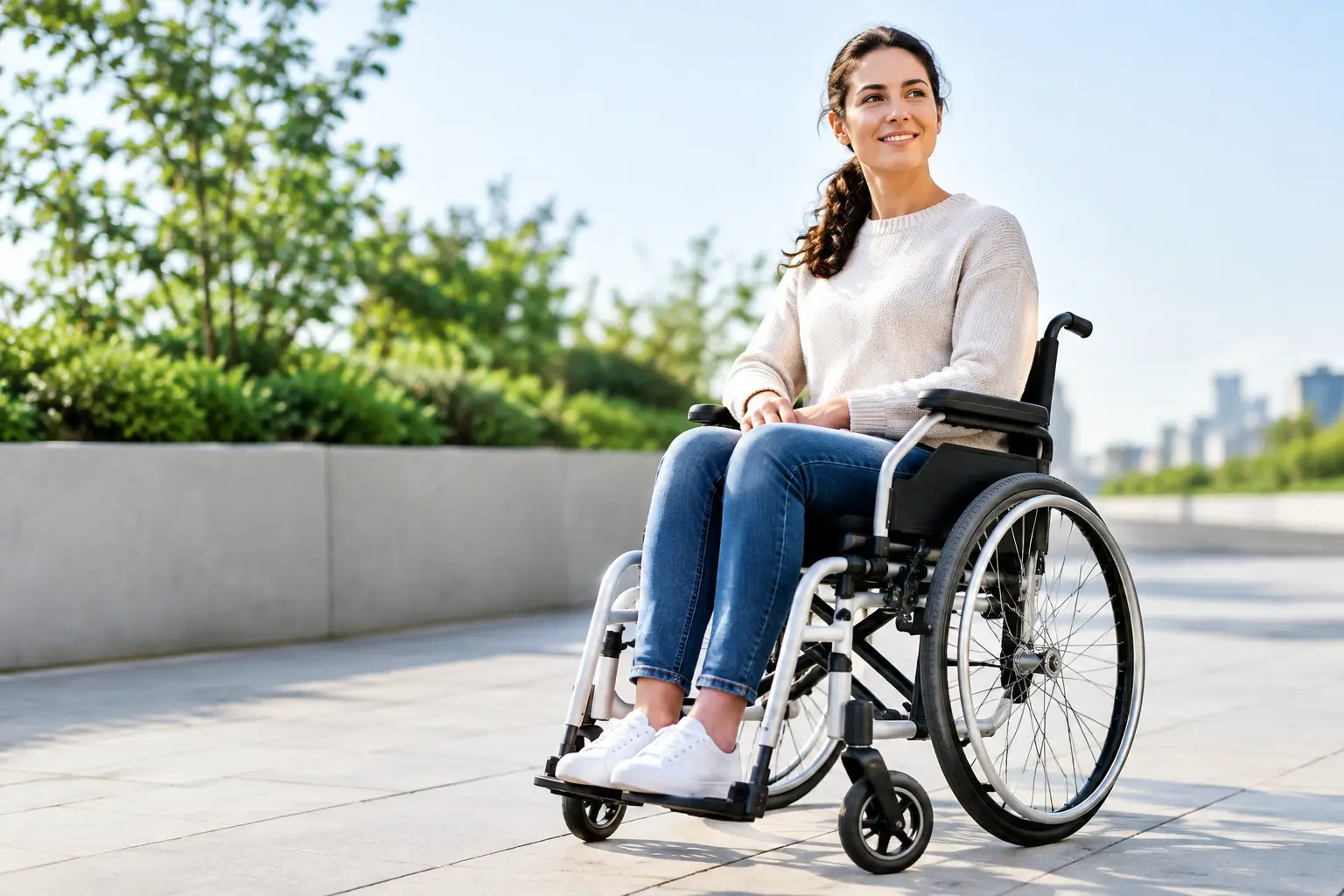
A self propelled wheelchair has large rear wheels with hand rims. This allows the person sitting in the chair to move themselves forward, turn and control their pace without relying on someone to push them. It is different from a transit wheelchair, which has small rear wheels and is designed primarily for an attendant or carer to push.
A lightweight self propelled wheelchair is usually made with an aluminium frame or another lighter material. The aim is to reduce the effort involved in lifting, folding and manoeuvring the chair, while retaining a stable frame and reliable brakes. Actual chair weights vary considerably, especially once cushions, footrests and removable wheels are considered.
For a person who wants to visit local shops, move around the house or travel independently on reasonably even ground, large rear wheels can offer a real sense of freedom. For a carer, a lighter folding frame can also make outings less physically demanding.
Start with where the wheelchair will be used
The best place to begin is not with a product specification. Think about the usual day: the front path, door thresholds, carpet, kitchen space, pavement condition, car journeys and storage space all matter.
A chair used mostly indoors may need a narrower overall width and good turning control. If it will be used outdoors regularly, larger rear wheels, durable tyres and a more supportive seat may be worth prioritising. Uneven paving, gravel and steep slopes can be difficult for any manual wheelchair, particularly a very lightweight model with small front castors. A chair may be light to lift but less comfortable or predictable on rougher ground.
If the chair will travel in a car, measure the boot opening as well as the boot itself. Check whether the wheelchair needs to be lifted in by one person and whether the user or carer can safely manage that lift. Folding backrests, quick-release wheels and removable footrests can reduce the space needed, but each feature should be straightforward for the person who will use it most.
Weight matters, but so does weight distribution
It is understandable to focus on the headline weight. Yet two wheelchairs with a similar listed weight can feel very different in everyday use. A well-balanced chair is easier to push and turn. It should not feel as though it pulls to one side, tips too easily or requires excessive effort to get moving.
Ask what the stated weight includes. Some manufacturers quote the frame weight without detachable parts, while others state the full chair weight. It is also useful to know the heaviest individual component after folding or removing the wheels. This is often more relevant than the overall figure when a carer is lifting equipment into a boot.
Do not overlook the user weight limit. This is a safety requirement, not just a guide. The chair should comfortably support the user and any items normally carried, such as a bag or weatherproof clothing, without being overloaded.
A lighter chair is not always easier to propel
Wheel size, tyre pressure, seating position and the condition of the surface all affect how much effort is needed. Pneumatic tyres can give a smoother ride and better grip outdoors, but they need occasional pressure checks and may puncture. Solid tyres reduce maintenance and are convenient for many everyday journeys, although they can feel firmer over rough ground.
For someone with reduced arm strength, painful hands or limited shoulder movement, a lightweight chair alone may not solve every difficulty. Consider whether the hand rims are comfortable to grip, whether the brakes can be reached easily and whether longer distances are realistic without help. In some situations, a powerchair or mobility scooter may be a more suitable option for outdoor independence, while a manual chair remains useful indoors or for shorter outings.
Getting the fit right for comfort and safety
A wheelchair that is too wide can make self-propelling harder because the wheels sit farther from the body. One that is too narrow may cause pressure, discomfort and difficulty transferring in or out. Seat width, seat depth and backrest height should be chosen around the user rather than guessed from a previous chair.
Seat height matters too. Feet should be supported correctly on the footplates, with knees and hips in a comfortable position. If the seat is too high or too low, transfers, posture and reaching the hand rims can all become more difficult. Adjustable footrests and leg supports can be particularly helpful where leg swelling, reduced knee movement or a need to elevate the legs is involved.
A basic fabric seat may be perfectly suitable for shorter use. For longer periods, a pressure-relieving cushion and appropriate postural support can be just as important as the wheelchair itself. Anyone with a pressure sore, fragile skin, significant postural needs or recent clinical changes should seek advice from an occupational therapist, physiotherapist or other relevant healthcare professional before choosing a chair.
Folding, storage and transport features
Most everyday lightweight self propelled wheelchairs use a folding cross-brace frame. This lets the seat fold upwards, reducing the chair’s width for storage and transport. Folding is useful, but it does not necessarily make a chair compact enough for every car or cupboard.
Check the folded width, folded height and folded length, then compare them with the actual available space. Consider where footrests, cushions and a walking stick will go too. A chair that fits only after several awkward steps may become a barrier to getting out.
For regular car transport, removable rear wheels can be helpful, particularly where boot space is limited. They also reduce the weight of the main frame during lifting. The trade-off is that quick-release fittings need to be checked carefully and kept clean so they lock securely in place. If a carer will be assembling the chair frequently, simple and dependable is often better than extra features that are rarely used.
Small features that make a big daily difference
Look closely at the controls and contact points. Attendant handles should feel secure for a carer, and parking brakes should be easy for the user to operate without leaning dangerously. Swing-away or removable footrests can make transfers easier. Padded armrests may improve comfort, though desk-length armrests can be more practical for getting close to a table.
Anti-tip wheels can add reassurance for slopes or uneven ground, especially for less confident users. A lap belt may help with positioning, but it is not a substitute for suitable seating or clinical postural support. For outdoor use, visibility accessories and weather protection can also make journeys more comfortable, though heavy bags should never be hung from the handles where they could affect stability.
Before you buy, check the practical details
A good choice should work on an ordinary Tuesday, not only on the first outing. Measure key doorways at home, including bathroom and kitchen entrances. Think about who will fold, lift and maintain the chair. If the user will self-propel, make sure the rear wheels and hand rims are within comfortable reach.
It is sensible to confirm the chair’s overall width, folded dimensions, user weight limit, seat measurements and warranty cover before ordering. Established mobility retailers can help explain the differences between models in plain English, particularly when you are choosing for a parent, partner or someone returning home after treatment.
A lightweight self propelled wheelchair should support the life a person wants to lead, whether that means moving around the house with less help, joining family outings or simply being able to pop out with confidence. Take time to choose the fit and features that make everyday movement feel possible again.
