Mobility Scooters for Everyday Independence
A trip to the local shops, a walk through the park or keeping up with family on a day out can become exhausting when walking is difficult. Mobility scooters give many people a practical way to get out more often, with greater comfort, confidence and control over everyday life.
The right scooter is not simply the one with the highest speed or longest advertised range. It needs to suit where you live, how you travel, your comfort needs and whether someone will need to lift, store or maintain it. A little thought before buying can make the difference between a scooter that is useful occasionally and one that becomes a trusted part of your routine.
Start with the journeys you want to make
Think about the trips that currently feel difficult. Perhaps you need help moving around a large supermarket, visiting neighbours, getting from a car park to an appointment, or enjoying longer outdoor journeys without worrying about fatigue. These details point towards the most suitable type of mobility scooter.
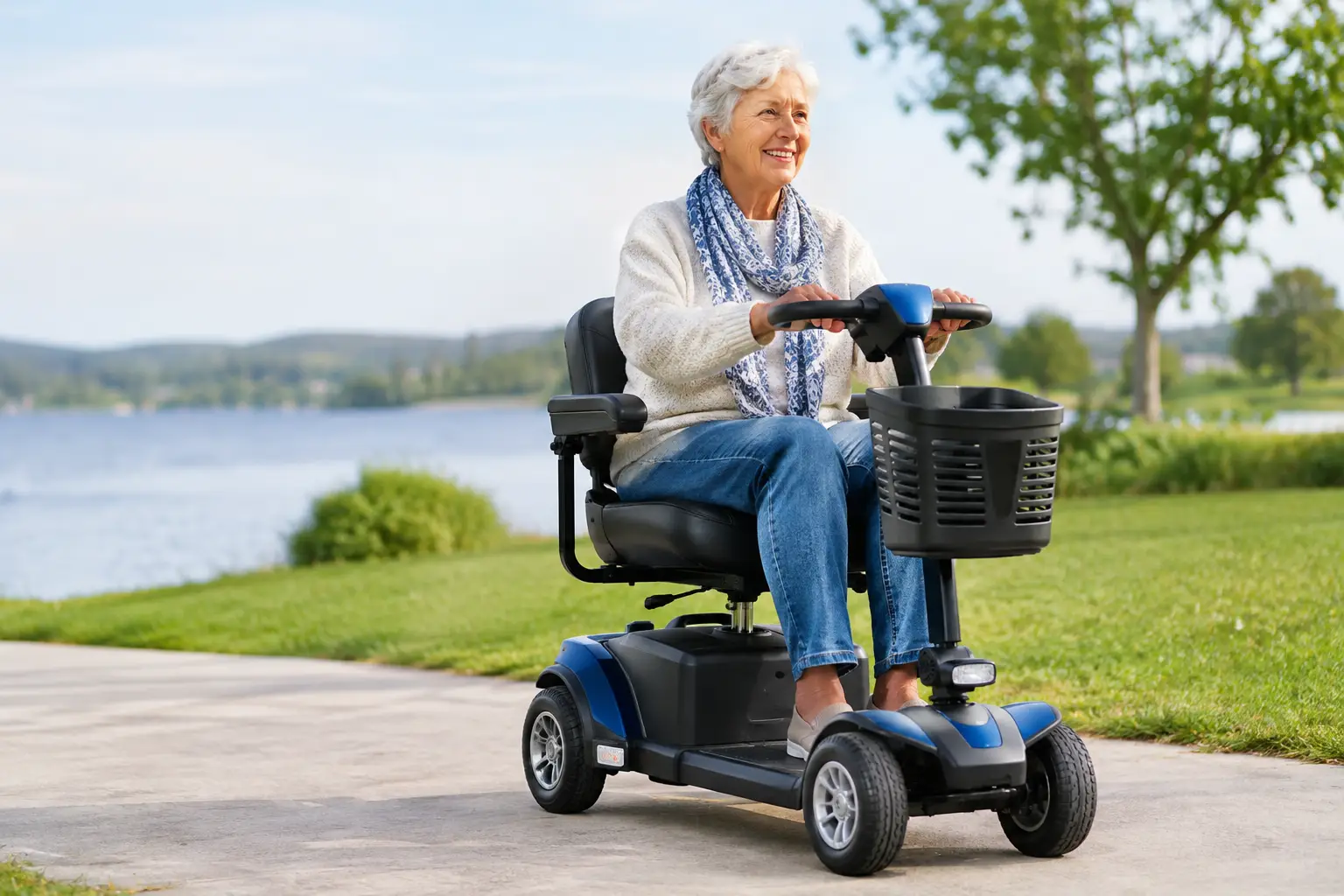
For short trips on smooth paths, compact pavement scooters are often a comfortable and straightforward choice. They are easy to handle, usually have a tighter turning circle and can fit well into daily life around local shops and community spaces.
If you regularly travel by car, portability may matter most. Travel and car-boot scooters are designed to come apart into manageable sections, while folding scooters can be folded for storage or transport. Neither option is automatically better. A dismantling model may be lighter in separate pieces, but folding can be quicker when you are able to manage the folded weight. It is worth considering who will do the lifting and whether the boot opening is wide enough, rather than looking at the total scooter weight alone.
For longer journeys or uneven ground, a larger scooter can offer a more settled ride. Road-capable and all-terrain models commonly provide bigger wheels, stronger suspension, a more supportive seat and a larger battery. They take up more room at home and are less convenient to lift into a car, but the added comfort can be worthwhile for people who rely on their scooter most days.
Mobility scooters and UK speed classes
Understanding scooter class helps you choose a model that suits the places you plan to use it. Most smaller pavement scooters are Class 2. Their maximum speed is 4 mph and they are intended for pavements, pedestrian areas and similar spaces. They should not be used on the road, apart from where it is necessary to cross.
Class 3 mobility scooters can travel at up to 8 mph on the road and up to 4 mph on pavements. They must be registered with the DVLA, although this does not usually involve a fee. Road use brings extra responsibilities, including suitable lights, indicators, mirrors and a horn. Class 3 scooters cannot be used on motorways, bus lanes or cycle-only lanes.
A road-capable scooter is not essential simply because it has a higher top speed. If your journeys are almost entirely local and pavement-based, a Class 2 model may be easier to store and use. If you need to travel along appropriate roads to reach local facilities, a Class 3 model may give you more freedom. Always check the current rules and consider local roads carefully before planning regular road journeys.
Range is useful only when it fits real life
Battery range is often one of the first figures people compare, but it should be treated as guidance rather than a promise. Weight carried, hills, cold weather, tyre pressure, ground surface and frequent stopping can all reduce the distance a scooter achieves on one charge.
Choose enough range for your usual return journey, with a sensible margin left in the battery. A scooter used for a weekly supermarket visit will have different needs from one used for daily trips around a village or a long seafront promenade. Larger batteries can bring more distance, but they may also add weight and take longer to charge.
Build charging into your routine. Ideally, your scooter should be stored near a safe mains socket in a dry, ventilated place. Avoid letting the battery run completely flat where possible, particularly if the scooter will not be used for a while. A suitable charger and a healthy battery are central to dependable day-to-day use.
Comfort and stability deserve proper attention
A scooter should help you conserve energy, not leave you sore after a short journey. Seat width, back support, armrests and legroom all matter. If getting on and off is challenging, a swivel seat can make transfers easier. Adjustable tiller angles and seat positions can also help you find a relaxed, secure driving posture.
Consider your height and build honestly. A model that feels roomy in a product description may not provide enough knee room, while a very large scooter can feel difficult to position in a narrow hallway or shop aisle. The user weight limit must include the person, clothing, bags and any items carried in the basket.
Stability is about more than having four wheels. Wheel size, ground clearance, suspension and the width of the base affect how confidently a scooter handles slopes, dropped kerbs and rough paths. Smaller scooters are excellent for smooth, level surfaces, but may feel less comfortable on cracked pavements or gravel. Larger pneumatic tyres and suspension can improve ride quality outdoors, although they can require more routine care.
Check storage and access before ordering
Measure the spaces that matter. This includes the front door, hallway, shed or garage, storage area, lift, gate and the narrowest point on your regular route. If you plan to use ramps, make sure they are suitable for the scooter’s weight, width and gradient.
Weather protection is also worth considering. Scooters and their electrical parts should be kept dry when stored. A purpose-made canopy may help during light rain while travelling, but it does not remove the need for sensible care in poor weather. Wet leaves, ice and heavy rain can affect grip, visibility and braking distance, so caution is always needed.
Choose support as well as a scooter
A mobility scooter is a significant purchase, and clear advice should be part of the decision. Established brands offer different strengths: some focus on lightweight travel models, while others are known for comfort, suspension or longer-range outdoor scooters. The best choice depends on your own routine, not a single brand name or one specification.
Before buying, make sure you understand delivery arrangements, assembly requirements, warranty cover and how to get help with servicing, batteries, tyres or replacement parts. For a first-time buyer or a carer buying on someone else’s behalf, these practical details provide real reassurance after the scooter arrives.
Mobility Scooters UK Ltd offers a broad choice across recognised manufacturers, with specialist guidance for customers who need help comparing portability, comfort and everyday suitability. Asking questions early can prevent the expense and frustration of choosing a scooter that does not fit your life.
The best mobility scooter should feel like a welcome extension of your independence: ready for the ordinary journeys that make a day feel fuller, easier and more your own.