

Choosing a Lightweight Scooter for Public Transport
A lightweight scooter for public transport can make a familiar journey feel possible again: meeting a friend in town, getting to an appointment, or taking the train to visit family. But the lightest scooter is not automatically the right one. For travel to feel straightforward and safe, the scooter needs to suit your strength, storage space, comfort needs and the transport services you use most.
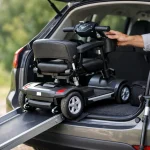
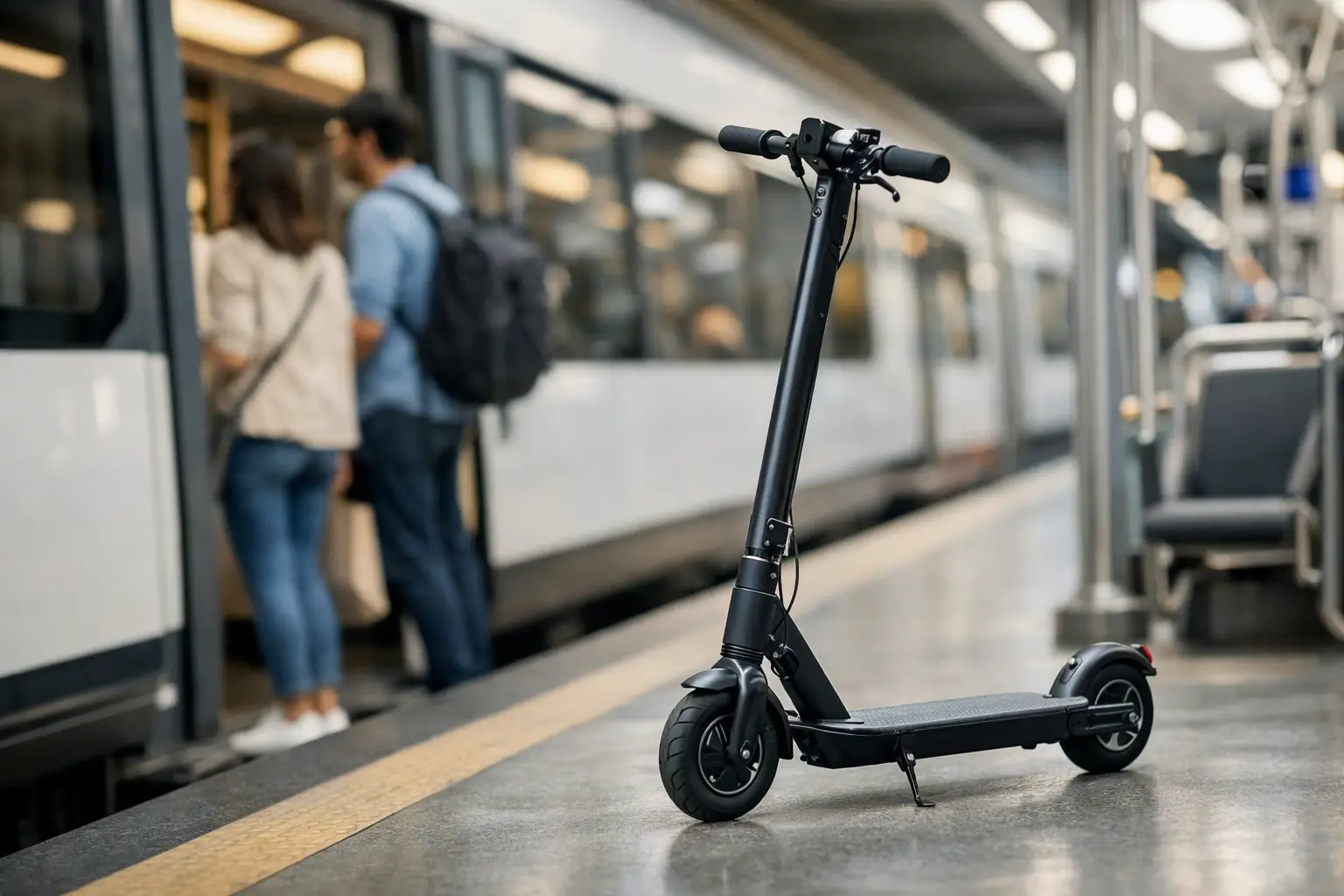
For many people, a compact folding scooter offers greater freedom than a larger pavement model. It can be easier to place in a car boot, store at home and take into suitable stations or taxis. The key word is suitable. Bus, rail, coach and taxi operators have their own rules, and staff must be able to manage the space safely for everyone on board.
What makes a lightweight scooter suitable for public transport?
Weight matters, particularly if you or a carer will be lifting the scooter. Yet it is only one part of the decision. A model may be light enough to lift but still awkward to carry if it does not fold neatly, has a bulky seat, or cannot be separated into manageable parts.
Look at the complete picture: the scooter’s weight with and without its battery, its folded length, width and height, and whether it can stand securely when folded. A handle, wheels for pulling it along, or a simple one-step folding mechanism can make a real difference at a station entrance or beside a taxi.
It is also worth thinking about the journey at both ends. Will you need to pass through a narrow hallway, negotiate a dropped kerb, travel over uneven paving, or cover a longer distance after leaving the station? A very small scooter may be ideal for brief, level trips, while someone travelling further may need more seat support, ground clearance and battery range. Portability always involves a trade-off with comfort, stability and outdoor performance.
Folding and dismantling are not the same
A folding mobility scooter normally collapses into one compact unit. This is often the most convenient choice for public transport because there are no loose pieces to organise. Some models fold manually, while others use an automatic mechanism. Automatic folding can be particularly helpful for people with limited hand strength, although the scooter may still need lifting into a car or carried over a step.
A dismantling or car-boot scooter separates into several sections, such as the seat, battery pack and base. Individual parts can be lighter to lift, which can suit a car journey with help from a family member or carer. However, reassembling it at each end takes time and may not be practical on a busy pavement or station concourse.
Before choosing either type, ask who will fold, lift, load and unfold it on an ordinary day. A scooter that is easy to manage in a showroom can feel very different when it is raining, you are carrying shopping, or a taxi is waiting outside.
Check the transport provider before you travel
There is no single rule that guarantees a mobility scooter will be accepted on every service. Transport operators set their own conditions based on vehicle space, turning areas, passenger safety and local arrangements. A lightweight, folded scooter may be easier to accommodate than an open mobility scooter, but acceptance can still depend on the operator and the individual vehicle.
Contact the bus company, train operator, coach firm or taxi provider before making a regular journey. Give them the scooter’s folded and unfolded measurements, total weight, battery type and whether it will remain folded during travel. Ask whether pre-booking is required and whether there are restrictions at particular stations, on replacement buses, or at peak times.
If you use taxis, it can help to find a local firm that understands your usual needs. Tell the booking team that you are travelling with a folding mobility scooter rather than assuming a standard car boot will be large enough. Some drivers may be happy to assist with loading, while others may not be insured or able to lift heavy equipment. Clarifying this in advance avoids an uncomfortable surprise at the kerbside.
For rail travel, plan the full route rather than only the train. Check lifts, platform access, step-free routes and whether there is space to wait safely with the scooter. Station teams can often provide passenger assistance, but it is best arranged ahead where possible.
Know your scooter class and where it can be used
Most compact travel scooters are Class 2 mobility scooters. They are designed for pavement use and have a maximum speed of 4 mph. They are not intended for general road use, although they may cross roads where it is safe to do so.
Class 3 scooters can travel at up to 8 mph on the road and have additional equipment such as lights, indicators and a horn. They tend to be larger and heavier, so they are rarely the first choice where frequent folding, lifting and public transport are the priority. If your life includes both longer outdoor journeys and occasional train or taxi trips, you may need to decide which need matters most, or consider separate solutions for different journeys.
Do not sacrifice comfort for a lower weight
A small scooter should still feel secure and comfortable. Sit on the seat for long enough to notice whether your back is supported, your feet sit naturally on the floorboard and your knees have enough room. Check that the tiller is easy to reach without stretching and that the controls feel manageable with your grip strength and dexterity.
Consider the seat height too. A low, compact design can make folding easier, but getting on and off may be harder for someone with stiff hips or limited balance. Adjustable armrests, a swivel seat and a comfortable cushion add weight, yet they can make the scooter much more usable day to day.
Stability deserves the same attention. Small wheels and a short wheelbase help create a portable scooter, but they can feel less forgiving on cracked paving, steep camber or loose gravel. A lightweight scooter is best suited to well-maintained paths, shopping centres and short urban journeys. If your regular route includes rough ground, a more substantial model may be the safer and more comfortable choice.
Battery, range and charging on the move
A compact scooter’s stated range is useful, but it should not be treated as a promise for every journey. Rider weight, hills, cold weather, tyre condition and frequent stopping all affect how far a battery will last. Allow a sensible margin so you are not relying on the last bar of charge to get home.
Battery type also matters for travel. Many folding scooters use lithium batteries because they are lighter and easier to remove, but transport providers may have specific rules about carrying or charging them. Keep the battery information supplied with your scooter and check requirements before travelling by coach, ferry or air. Never charge a battery in a place where cables create a trip hazard or where charging is not permitted.
Build a simple charging routine at home. Charging after use, following the manufacturer’s instructions and using the correct charger will help keep the scooter dependable. If the battery is removable, check that you can safely take it out and refit it before relying on it for regular travel.
Measure, practise and ask for advice
Measure your front door, hallway, storage area and car boot before ordering. Then compare those figures with the scooter’s dimensions when folded, not just when it is ready to ride. If a carer will be lifting it, the heaviest single item is often more relevant than the overall weight.
Practise folding and unfolding in a calm, open space before your first public journey. Learn how the controls, brake, release catch and battery connection work, and make sure no clothing, bag straps or walking aids can catch in the mechanism. A small bag with your phone, charger details and any essential medication can make travel more reassuring, but avoid overloading the scooter or hanging heavy bags from the tiller.
Choosing a mobility scooter is a significant purchase, and friendly specialist advice can help turn product specifications into a decision that works in real life. Mobility Scooters UK can help customers and carers compare recognised brands around portability, comfort and everyday use, with UK delivery and support available after purchase.
The right travel scooter should leave you thinking about where you want to go, rather than how difficult it will be to get there. Take the time to match the scooter to your regular journeys, confirm the operator rules, and choose a model you can manage with confidence.