Bariatric Wheelchairs UK: How to Choose Well
A wheelchair that feels cramped, unstable or difficult to move can make everyday tasks far harder than they need to be. Bariatric wheelchairs UK customers choose are designed to offer higher weight support, more generous seating and a stronger frame, helping the user feel secure and comfortable at home, on visits and out in the community.
The right chair is not simply the one with the highest stated capacity. A good choice takes account of seat width, depth, posture, leg support, whether the chair will be self-propelled or pushed by a carer, and the spaces it needs to move through. Taking a little time over these details can make a meaningful difference to comfort, dignity and independence.
What makes a bariatric wheelchair different?
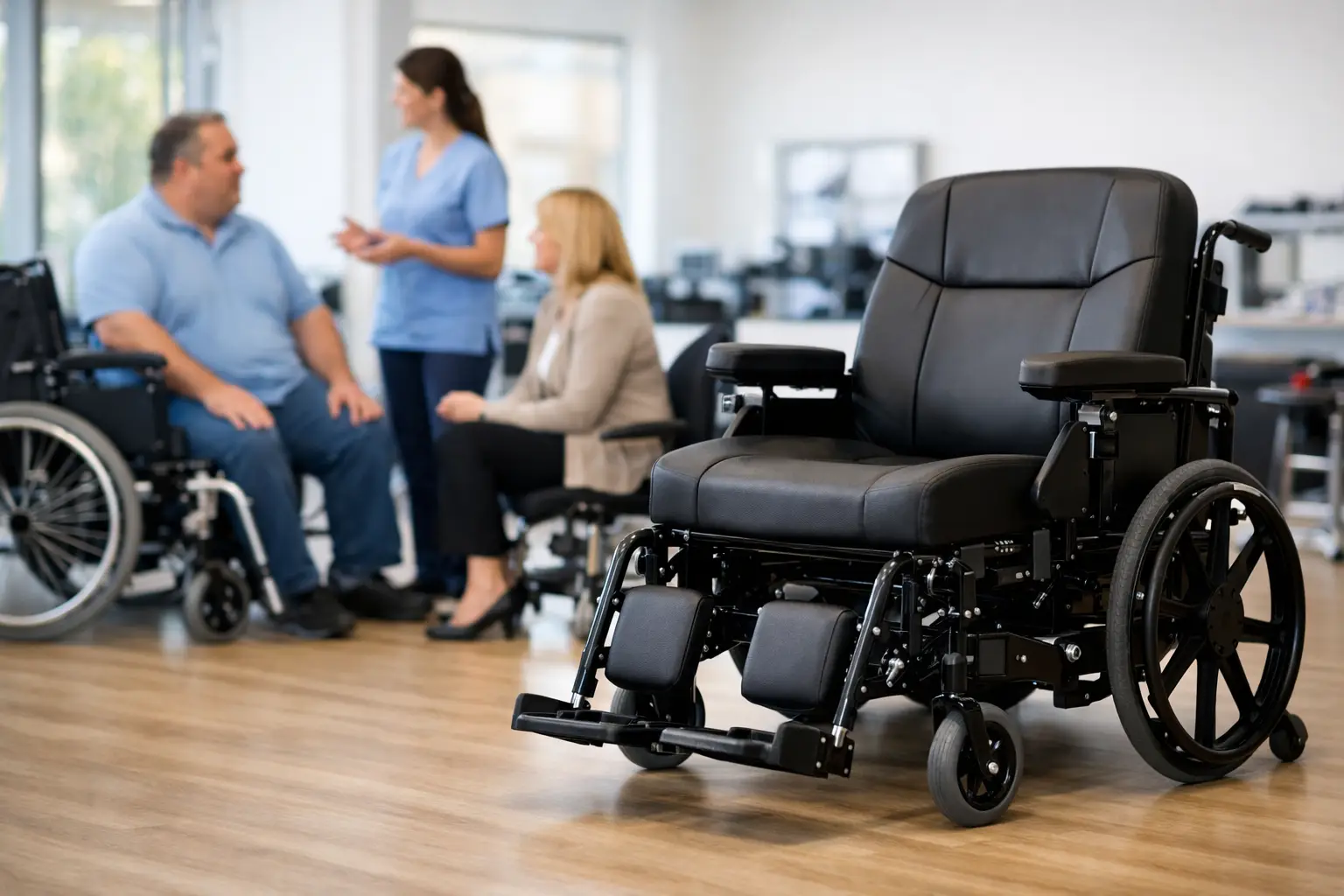
A bariatric wheelchair is a manual wheelchair built for a higher maximum user weight than a standard model. It will usually have a reinforced frame, heavy-duty cross braces, stronger wheels and wider seating options. Many also include padded armrests, adjustable footplates and a more supportive seat and backrest.
These features are practical rather than cosmetic. A stronger frame is intended to provide dependable support during transfers and daily use, while a wider seat can prevent pressure at the hips and make it easier to sit in a balanced, natural position. For some people, the extra room also makes winter clothing, continence products or a pressure-relieving cushion more manageable.
However, wider does not always mean better. A seat that is too wide can make it harder to maintain good posture or reach the wheels for self-propelling. It can also create problems with narrow internal doors, bathroom access and turning in a smaller home. The best fit should feel supportive without being restrictive.
Choosing bariatric wheelchairs in the UK for daily life
Start with how and where the chair will be used. A chair for occasional trips to the GP, family gatherings or shopping centres has different priorities from one used for most of the day at home. It is useful to picture the full journey: getting out of bed or a chair, moving through doorways, travelling in a car, using accessible toilets and returning home.
Check the maximum user weight carefully
The maximum user weight is a safety limit, not a figure to get as close to as possible. Choose a wheelchair with enough margin to allow for clothing, footwear, personal items and any accessories carried on the chair. Never exceed the manufacturer’s stated limit.
It is also worth distinguishing between the maximum user weight and the wheelchair’s own weight. Heavy-duty construction can make a bariatric chair more substantial to lift, fold or place in a boot. If a family member or carer will regularly handle the chair, this needs to be realistic for them too.
Get the seat width and depth right
Seat width is often the first measurement buyers consider, but seat depth matters just as much. The seat should support the thighs without pressing into the back of the knees. A depth that is too short may feel insecure, while one that is too long can encourage slouching and make transfers more difficult.
When measuring, allow a little room at each side of the hips for comfort, but avoid excessive space. Consider the user’s normal clothing and whether they use a specialist cushion. Cushions improve comfort for many people, but they raise the sitting position and can affect armrest height, footplate adjustment and access under tables.
If the user has complex posture needs, pain, skin vulnerability, oedema or requires support to maintain their position, individual assessment from an appropriate healthcare or seating professional is advisable. A wheelchair is an important part of daily support, and a standard measurement alone may not address every need.
Decide between self-propelled and attendant-propelled
Self-propelled bariatric wheelchairs have large rear wheels with hand rims, allowing the user to move themselves where strength, reach and coordination allow. This can provide welcome control indoors and on smooth pavement. It does require enough upper-body movement to propel and operate the brakes safely.
Attendant-propelled models have smaller rear wheels and are designed to be pushed by someone else. They may be easier to store and manoeuvre in tight spaces, but they place more responsibility on the carer. Push handles should feel comfortable at the right height, and the carer should be able to control the chair safely on slopes and kerbs.
Some households benefit from a self-propelled chair even when a carer usually pushes it, as it gives the user more options around the home. Others find a transit-style chair more practical for appointments and car journeys. The right answer depends on the user’s independence, the carer’s role and the environment.
Look beyond the chair itself
Before ordering, measure the narrowest doorways, hallways, kitchen gaps and bathroom entrances the wheelchair must pass through. Include the overall width of the chair, not just the seat width. Door frames, radiators and furniture can reduce usable space more than expected.
Turning room matters too. A wheelchair may fit through a doorway but still struggle to turn into a small cloakroom or around a tight landing. If possible, use masking tape on the floor to mark the chair’s approximate width, or measure an existing chair that is known to fit.
For outdoor use, think about the local surface. Solid tyres are low-maintenance and avoid punctures, while pneumatic tyres can offer a more cushioned ride over uneven paving but need regular pressure checks. Larger rear wheels generally handle small bumps better than compact transit wheels. No manual wheelchair should be treated as an all-terrain solution, particularly when carrying a higher load.
Folding, transport and storage considerations
Many bariatric wheelchairs fold for storage or car transport, but the folded frame can still be bulky and heavy. Check whether the footrests remove or swing away, whether the back folds down, and whether the person lifting it can do so safely. A chair that is technically foldable is not automatically easy to manage alone.
Measure the car boot opening as well as the boot floor. Hatchbacks and saloons can have a narrow opening even where the boot itself looks spacious. If the chair will travel frequently, it may be sensible to prioritise a manageable lifting weight and simple folding mechanism over extra features that are unlikely to be used.
For users who need regular independent travel outdoors, a suitable powerchair or mobility scooter may be worth considering alongside a manual chair. These options involve different storage, charging and transport needs, but can reduce the physical effort of longer journeys. A manual bariatric wheelchair can still be an excellent choice for home use, supported outings and shorter distances.
Features that support safer, more comfortable use
Small details can have a major effect over a day. Swing-away or removable footrests can make it easier to get close to a bed, sofa or toilet for a transfer. Height-adjustable footplates help support the legs correctly and reduce the chance of feet dragging. Desk-length armrests may help the user approach tables, while full-length arms can provide more support when standing.
Brakes should be easy for the user or carer to reach and operate. They must be applied before transfers, and the chair should only be used on slopes within the manufacturer’s guidance. Anti-tip wheels can add reassurance in certain situations, but they do not replace careful use, correct loading and good supervision where needed.
Regular checks are straightforward and worthwhile. Keep the frame clean and dry, check that brakes engage firmly, inspect tyres and wheels for wear, and make sure footplates, armrests and bolts remain secure. If the chair begins to pull to one side, feels loose or has damaged parts, stop using it until it has been checked.
Buying with confidence
A higher-weight-support wheelchair is a significant purchase, so clear product information and practical advice matter. Compare the stated user-weight limit, seat dimensions, overall width, chair weight and whether it is self-propelled or attendant-propelled. Do not assume that two chairs with a similar capacity will feel or handle the same.
Mobility Scooters UK Ltd can help buyers and carers consider the practical details before choosing, including daily use, transport and the space available at home. Recognised mobility brands, dependable UK delivery and access to support for warranties, servicing and parts can provide added reassurance after the chair arrives.
The most suitable wheelchair is the one that supports ordinary moments: moving comfortably around the house, joining friends at the table, getting to an appointment or simply being able to go out without feeling limited by the equipment. Choosing carefully now gives those moments a better chance to feel easier tomorrow.