Pavement Versus Boot Scooters: Which Fits You?
A scooter that feels perfect in a showroom can become frustrating if it will not fit into the car, manage the route to your local shops or stay comfortable through a full afternoon out. When comparing pavement versus boot scooters, the most useful question is not which type is best overall. It is which one suits the way you actually live.
For many people, the choice comes down to a familiar trade-off: a pavement scooter usually offers more comfort and confidence for regular local journeys, while a boot scooter makes it easier to take your independence with you in the car. Both can make a meaningful difference to everyday life, but they are designed around different priorities.
Pavement versus boot scooters: the key difference
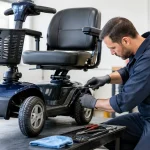
A pavement scooter is generally a larger Class 2 mobility scooter intended for frequent trips around your neighbourhood. These models commonly have a more supportive seat, greater legroom, a larger battery and a sturdier feel over uneven paving. They are a sensible choice for visiting local shops, meeting friends, travelling around a park or getting to nearby appointments without relying on someone else for a lift.
A boot scooter, sometimes called a car-boot or portable scooter, is made to be taken apart into manageable sections or, in some cases, folded. Once dismantled, the pieces can be placed in the boot of a car. This gives you far more flexibility if your usual journeys start with a car trip – perhaps to a supermarket, garden centre, hospital appointment, holiday accommodation or family home.
The distinction is practical rather than a strict legal category. Many boot scooters and pavement scooters are Class 2 models with a maximum speed of 4 mph. Always check the classification and specification of the individual scooter before buying, especially if road use or a higher speed is part of your plans.
Choose a pavement scooter if local comfort comes first
If your scooter will be your regular way of getting around close to home, a pavement model can be the more comfortable long-term choice. The larger frame often allows for a padded, adjustable seat with armrests, a more natural driving position and enough foot space to avoid feeling cramped. For someone with joint pain, reduced balance or limited stamina, those details can matter just as much as speed or range.
Pavement scooters also tend to have larger wheels and more capable suspension than compact portable models. That does not mean every pavement is smooth, of course. Broken kerbs, loose gravel and steep cambers still need care. But a scooter with a stable base and better ground clearance can feel more reassuring on the everyday surfaces found around UK towns and villages.
Battery capacity is another advantage. A longer range means you can make a few calls in one outing without watching the battery indicator constantly. Real-world range varies with user weight, hills, temperature, tyre pressure and stop-start journeys, so it is wise to leave a comfortable margin rather than plan every trip around the maximum stated figure.
The trade-off is size. A pavement scooter needs somewhere secure and dry to live, ideally with a nearby charging point. It may fit through a standard doorway, but tight hallways, narrow garden gates and small lifts must be measured carefully. It is also usually too heavy to lift into a car without a ramp, hoist or suitable vehicle adaptation.
Everyday journeys that favour a pavement scooter
A pavement scooter is often right for someone who can leave home directly from their own driveway or ground-floor property and has useful destinations nearby. It suits regular trips to the high street, a local café, a pharmacy or a community group, particularly where the journey itself is part of the routine.
It can also be the better option where a family member or carer wants the rider to have a stable, easy-to-operate scooter rather than one that must be assembled before every outing. Less lifting and fewer pieces can make daily use feel simpler.
Choose a boot scooter if car travel matters most
A boot scooter is built around portability. Most take apart into several sections, normally including the seat, battery pack, front section and rear motor section. Some models fold instead. Either design can help you continue enjoying days out when walking distances inside larger venues would otherwise limit you.
This type of scooter is particularly useful if you do not have outside storage at home, if you mainly travel with a spouse, friend or carer, or if you want mobility support at the destination rather than for a long trip from your front door. A compact scooter can be a practical companion for shopping centres, museums, family occasions and accessible holidays.
However, “portable” does not automatically mean “lightweight enough for anyone to lift”. The heaviest section of a dismantling scooter can still be difficult to manage, especially for a person with back pain, arthritis or reduced grip. The person doing the lifting matters as much as the person using the scooter.
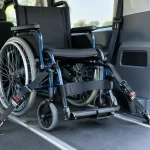
Before choosing a boot model, think honestly about loading and unloading. Will it be lifted every week, every day or only occasionally? Is the boot lip high? Can the person lifting bend safely? A folding model may avoid dismantling, but it can be heavier as one complete item. There is no one right design – the safer choice depends on your car and the people using it.
What you may compromise on with a boot scooter
To make transportation easier, boot scooters are usually smaller. Their seats may offer less padding and adjustment, their batteries may have a shorter range, and smaller wheels can make rough surfaces feel more noticeable. Many people are completely comfortable with these compromises because the ability to take the scooter anywhere outweighs them.
For a full day out, consider how long you will be seated and what ground you expect to cover. A compact boot scooter is excellent for smooth indoor floors, retail parks and well-maintained paths. If your regular route includes cobbles, poor pavements, grass or steep slopes, a larger pavement or all-terrain model may offer a more comfortable experience.
Check the practical details before you decide
A little measuring now can prevent an expensive mismatch later. Start with your storage space, your car and your usual route. It is worth writing down the numbers rather than relying on a quick visual judgement.
- Measure the width of doorways, gates, shed access and any turns the scooter must make at home.
- Measure the car boot opening as well as the space inside it, because a narrow opening can limit what will fit.
- Check the scooter’s maximum user weight and allow for coats, shopping or equipment carried in a basket.
- Consider the gradients, dropped kerbs and surface condition on the routes you want to travel.
Seat comfort deserves particular attention. If possible, compare seat width, armrest position, back support and the distance from the seat to the tiller. You should be able to sit with your feet supported, reach the controls without stretching and turn safely when manoeuvring. A good fit supports confidence, particularly for first-time users.
Also consider charging. Batteries need regular charging in a dry, ventilated location using the correct charger. If your scooter will be stored in a communal hallway or outdoors without a safe power supply, a removable battery setup may be useful. Do not run a cable across a walkway where it could create a trip hazard.
Understand where each scooter can be used
Most pavement and boot scooters are Class 2 mobility scooters. They are designed for pavements, pedestrian areas and crossing roads when it is safe to do so, with a maximum speed of 4 mph. Pedestrians always have priority, so slow down in busy areas and give people plenty of room.
A Class 2 scooter is not normally intended for general road travel, cycle lanes or bus lanes. If you need to make longer road journeys or travel at up to 8 mph where permitted, you may need a Class 3 road-legal scooter instead. These are larger machines with additional requirements, so check the current rules and the manufacturer guidance before relying on a scooter for road use.
Whichever model you choose, sensible preparation helps. Keep tyres in good condition, charge the battery as advised, use lights where fitted in poor visibility and make sure a bag or shopping basket does not interfere with the tiller or controls.
Making the choice with confidence
Choose a pavement scooter when you want a comfortable, dependable scooter for frequent local use and have suitable storage at home. Choose a boot scooter when getting it into a car is central to your lifestyle and you are happy with a more compact ride.
For some households, the best answer is shaped by the carer as much as the rider. A scooter that is easy to transport but too heavy to lift safely will not provide the freedom it promises. Equally, a very comfortable pavement scooter may spend too much time parked if it cannot travel with you to the places you enjoy.
Mobility Scooters UK can help customers and carers compare dimensions, portability, comfort and everyday suitability before making a decision. The right scooter should not simply get you from A to B – it should make more of your ordinary plans feel possible again.