

Best Car Boot Mobility Scooter: How to Choose
A day out should not be decided by how far you can walk from the car park. The best car boot mobility scooter makes it easier to visit the shops, meet family, enjoy a garden centre or take a holiday without leaving your independence at home. The right model needs to be more than portable, though. It must suit your car, your strength, your comfort needs and the journeys you want to make.
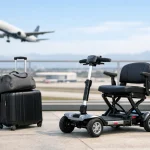
Car boot scooters are designed to dismantle into manageable sections or fold down for transport. They are a practical choice for people who want everyday mobility support but do not have space for a larger scooter at home or on the road. For many buyers, the decision comes down to one question: can I load it safely and use it comfortably once I arrive?
What makes the best car boot mobility scooter?
There is no single best car boot mobility scooter for every person. A lightweight folding model may be ideal for someone who travels often and has limited storage space. A dismantling scooter with a more supportive seat may be the better option for longer outings, even if it takes a few extra minutes to put together.
The best choice balances portability with practical comfort. Very light scooters are easier to lift, but may have smaller batteries, shorter ranges and less cushioning. Larger boot scooters can feel steadier and offer more room, yet their heaviest component may be difficult for one person to manage. Looking at the whole picture before buying helps avoid a scooter that fits the boot but not your life.
For most UK customers, a car boot scooter is best suited to pavements, shopping centres, supermarkets, parks with firm paths and other everyday local trips. They are generally not intended for rough ground, long road journeys or steep, uneven terrain. If those are regular parts of your routine, a pavement or all-terrain model could offer a safer and more comfortable alternative.
Start with your car and loading routine
Before comparing colours, speeds or accessories, measure your available boot space. Consider the width of the boot opening, the height of the loading lip and the depth of the boot with any shopping or other equipment still inside. Hatchbacks, estates and SUVs can all accommodate different scooter styles, but the opening is often as important as the overall boot size.
A folding scooter stays in one piece and is usually quick to prepare. This can be particularly helpful when you are travelling alone, making several stops or do not want to handle separate parts. However, the total folded weight still needs lifting, so a compact folded shape does not automatically mean it is easy to load.
A dismantling scooter separates into sections, commonly including the seat, battery pack, front section and rear section. This can make each piece more manageable than a single folded scooter. The trade-off is that you need to be comfortable taking it apart and reassembling it. If a family member or carer usually helps, this may be straightforward. If you will load it alone, pay close attention to the heaviest piece rather than the scooter’s total weight.
A vehicle hoist can be worth considering where lifting is a concern. It may allow a suitable scooter to remain a realistic option without placing strain on your back, shoulders or wrists. Your ability on a difficult day matters more than what you can manage once when trying a scooter in a showroom or at home.
Check the heaviest component, not just the total weight
Product weights can be misleading if you only look at one figure. A scooter may weigh 40kg overall but split into sections of very different weights. Find out what the heaviest item is, how awkward it is to hold and whether it needs to be lifted above the boot lip.
Consider your grip, balance and any pain or reduced movement in your hands, arms or back. If loading feels unsafe, involve the person who will normally help you or choose a model with a simpler folding mechanism. Independence should never rely on a lift that risks injury.
Comfort is still essential on a compact scooter
A car boot scooter is often bought for short journeys, but even a trip around a supermarket can take time. A supportive, adjustable seat, comfortable armrests and enough legroom can make a major difference. If you are taller, have limited knee movement or need a wider seating position, check dimensions carefully rather than assuming every compact scooter will feel the same.
Look at how easily you can get on and off the scooter. A swivel seat can be useful for transfers, while lift-up armrests may give you more room to position yourself. The tiller should be easy to reach without stretching, and the controls should feel comfortable in your hands.
Suspension is less common on the smallest portable models, so wheels, tyre type and seat padding matter. Solid tyres avoid punctures and require little maintenance, but pneumatic tyres can give a softer ride on uneven paving. Neither is automatically better – the right choice depends on where you will use the scooter most often and how much maintenance you are happy to take on.
Range, battery and real-world journeys
A scooter’s stated range is useful for comparison, but it is not a guarantee for every journey. User weight, hills, cold weather, tyre condition, surface type and frequent stopping can all reduce the distance available from a charge. It is sensible to choose a model with more range than your typical outing requires.
Think about your regular routine. If you mainly use the scooter from the car to a local shop, a modest range may be perfectly adequate. If you want to spend a full afternoon at an attraction, visit several shops or travel around a large retail park, a larger battery may offer welcome reassurance.
Charging should also fit easily into your home routine. Ask where the battery will be charged, whether you can reach the charging point safely and how long you are happy to wait between outings. Some portable scooters have removable batteries, which can be helpful if you cannot park close to a mains socket.
Choose a scooter that feels safe to control
Most car boot scooters are Class 2 mobility scooters, with a maximum speed of 4mph. They are designed for pavement use and can cross roads where it is safe to do so, but they are not road vehicles. Good lighting, reflectors and a horn can provide useful reassurance when visibility is poor or you are moving around busy car parks.
Stability comes from more than the number of wheels. Four-wheel scooters can feel reassuringly planted, especially when turning or travelling over slightly uneven ground. Three-wheel models may offer a tighter turning circle, which can be helpful in narrow aisles or compact spaces. Your usual environment should guide the decision.
Try to consider slopes, dropped kerbs and paving around the places you visit. No compact mobility scooter should be pushed beyond its stated gradient or kerb-climbing ability. Slow down on turns, avoid loose gravel and wet leaves where possible, and keep bags securely stored so they do not affect balance or steering.
Practical features that make outings easier
The small details can have a big effect on whether a scooter gets used regularly. A front basket is useful for a handbag, medication, water bottle or a few items of shopping. A larger bag or rear storage option may be better if you are often out for longer, but do not overload the scooter or hang heavy bags from the tiller.
A clear battery indicator helps you plan ahead. Adjustable armrests, a rotating seat and a simple control panel can make a scooter more comfortable for everyday use. If you are buying for a relative, choose controls that are easy to understand rather than assuming more features are always better.
Also consider storage at home. A folding design may fit neatly in a hallway, utility room or cupboard, while a dismantling scooter needs somewhere for all of its individual sections. Keep the scooter dry and protected from severe cold, and follow the battery care guidance supplied with the model.
Buying with confidence
For a first-time buyer, it helps to write down a few honest answers before choosing: who will load the scooter, which car it needs to fit, the longest likely outing and any comfort or transfer needs. These practical points often narrow the choice more effectively than comparing specifications alone.
At Mobility Scooters UK Ltd, recognised brands, practical product choice and specialist support are there to make that decision less daunting. Ask about the scooter’s heaviest section, folded dimensions, user weight limit, battery range and warranty before ordering. These are sensible questions, not small print.
The right car boot scooter should give you confidence to say yes to an outing, not create another task to worry about. Choose one that you can transport safely, drive comfortably and rely on when everyday plans deserve to stay within reach.